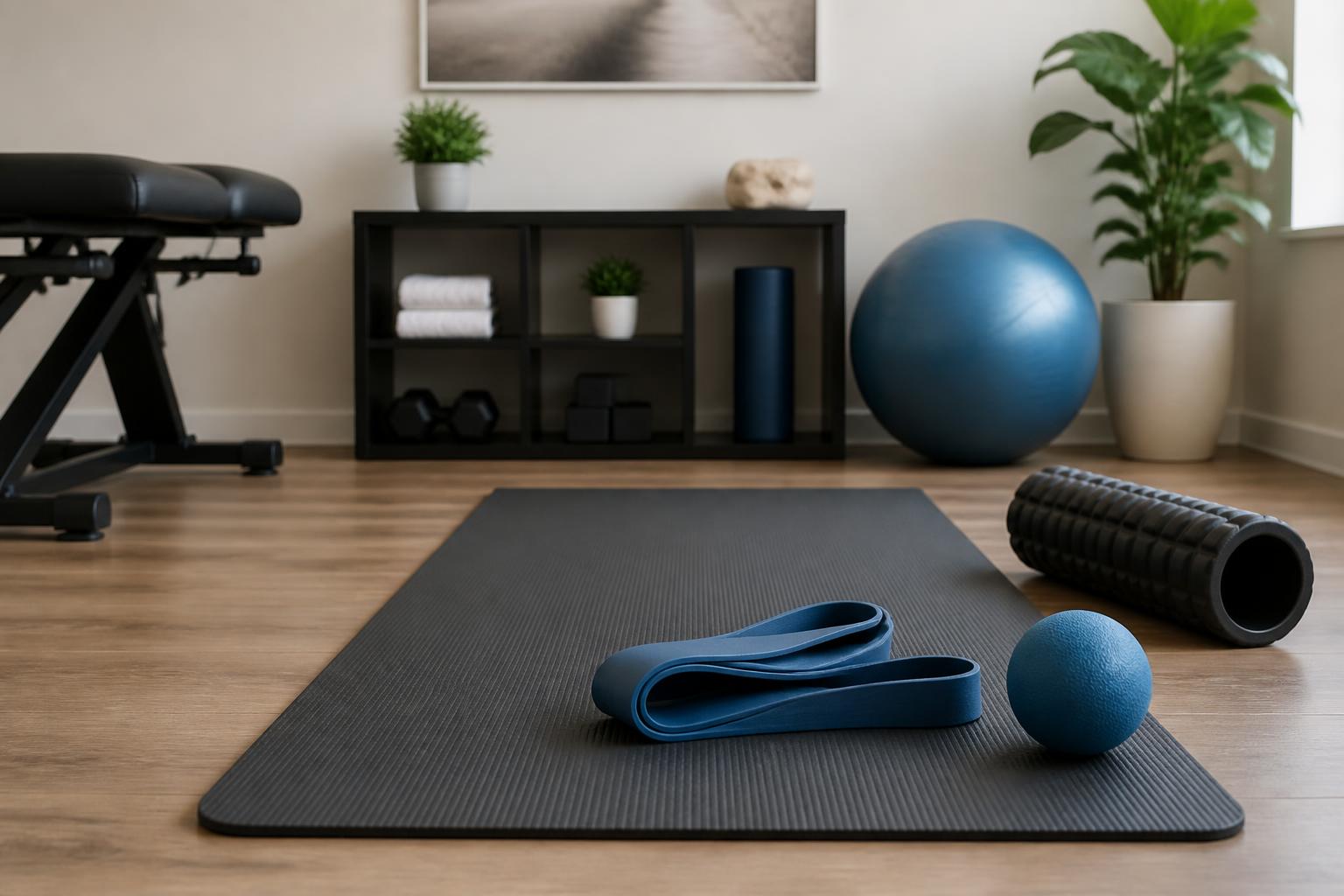
If you keep getting the same back tightness, neck stiffness, or posture strain, the problem may be more than a sore muscle. Weak support muscles, poor movement habits, and old compensations can make simple daily tasks feel harder than they should. Corrective exercises are often the next step when you want more than temporary relief.
At Summit Spine & Wellness, we use corrective exercises to help you move with more control, build support where your body has been overworking, and make everyday movement feel less restricted. If you are looking for practical care for corrective exercises San Diego, CA patients can use at home and with guidance, we are here to help you start with a plan that fits your body.
Corrective exercises are targeted movements meant to address the way your body compensates. Instead of only focusing on the area that hurts, we look at the patterns that may be adding stress to your spine, joints, and soft tissues.
These exercises are not a generic workout. They are chosen to match your current movement limits, posture habits, pain points, and activity level. For many people, that means building the foundation needed for more comfortable bending, lifting, sitting, standing, and walking.
People often wait until discomfort becomes hard to ignore. Corrective exercises can be useful even before pain becomes intense, especially if you notice recurring tightness or movement that never quite feels smooth.
You feel the same ache after sitting, driving, exercising, or working at a desk, even when you try to rest.
One side feels tighter, weaker, or less coordinated than the other when you reach, bend, or twist.
Your neck, upper back, or low back gets tired quickly when you try to sit or stand upright.
Simple motions like turning your head, squatting, or lifting your arms feel restricted or guarded.
You notice yourself shifting, bracing, or avoiding certain movements because they seem to trigger pain.
If these patterns sound familiar, Summit Spine & Wellness can help identify which exercises are most useful for your body and which habits may be keeping symptoms active.
Corrective exercise plans should feel specific, not random. We start by understanding where movement breaks down, which muscles are underperforming, and where your body is taking on too much load.
We look at how you stand, sit, bend, rotate, and reach. Small changes in these patterns can reveal why the same areas keep getting irritated.
We choose movements that match your current needs. That may include activation work, mobility drills, balance support, or controlled strengthening based on what your body is ready for.
As your movement improves, the plan changes. The goal is not to repeat the same exercises forever, but to help you gain control, tolerance, and confidence with real-life motion.
When people come to us for corrective exercises, they often want clear direction. We keep the process practical so you know what to do and why it matters.
At Summit Spine & Wellness, we want the exercises to fit your real schedule. That means choosing movements that are practical enough to use consistently, not just once or twice before they get forgotten.
Corrective exercises can help many common problem areas, especially when pain is tied to posture, repetitive activity, or movement compensation.
These areas often work overtime when the shoulders, core, hips, or upper back are not sharing the load. Targeted exercises can help reduce repeated stress and improve support during everyday movement.
Rounded shoulders, forward head position, and upper back tension can build slowly over time. Careful exercise selection can help retrain the way you hold yourself through the day.
After a strain or overuse episode, your body may protect the area by moving less or moving awkwardly. Corrective exercises help restore controlled motion so you can return to normal activity with more ease.
Corrective exercises are useful for adults with desk-related strain, active people dealing with recurring movement pain, and anyone who wants to move more confidently. They are also a good fit when you have tried resting, stretching, or general exercise and still feel the same pattern coming back.
People often seek this care when they want help with:
If you live or work around San Diego, CA, or nearby areas like La Jolla, Mission Valley, or Kearny Mesa, we can help you build a plan that supports the way you actually move each day.
Corrective work tends to improve when you treat it as part of your routine. Small, steady effort matters more than doing too much at once.
Slow down enough to feel the right muscles working. Quality matters more than speed.
Short daily practice often helps more than occasional long sessions.
Stick to the exercises that were chosen for your current condition instead of adding random movements.
Pay attention to what makes symptoms flare, such as long sitting, lifting, or awkward reaching.
Tell us what feels easier, what feels harder, and what still seems stuck so the plan can be adjusted.
These simple habits can help you get more from each visit and reduce the odds of falling back into the same movement pattern.
Regular workouts are often designed for fitness or performance. Corrective exercises are selected to address movement imbalances, pain patterns, and support deficits that may be contributing to discomfort.
No. Many of the most useful exercises are simple, controlled, and focused on activation or mobility. What matters is that the movement matches your current needs.
That depends on how long the pattern has been present, how often symptoms flare, and how consistently you follow the plan. Some people notice easier movement first, while others notice reduced tension over time.
Yes. Posture often improves when the muscles that support the head, shoulders, ribs, core, and hips begin working with better coordination.
Not usually. The plan should change as your control, strength, and tolerance improve. The aim is to help you build lasting movement habits, not create dependence on the same routine.
Yes. Active people often use corrective exercises to address a weak link that regular training has not resolved. They can complement sports, gym work, and everyday movement when used appropriately.
If recurring pain, posture strain, or movement compensation keeps getting your attention, corrective exercises may be the missing piece. With the right guidance, you can begin retraining the way your body supports itself and make daily motion feel more manageable.
Contact Summit Spine & Wellness to discuss corrective exercises for San Diego, CA and nearby service areas. We are available Monday through Friday, 8AM to 6PM, and you can reach us at +16195550188 or hello@summitspinewellness.example.