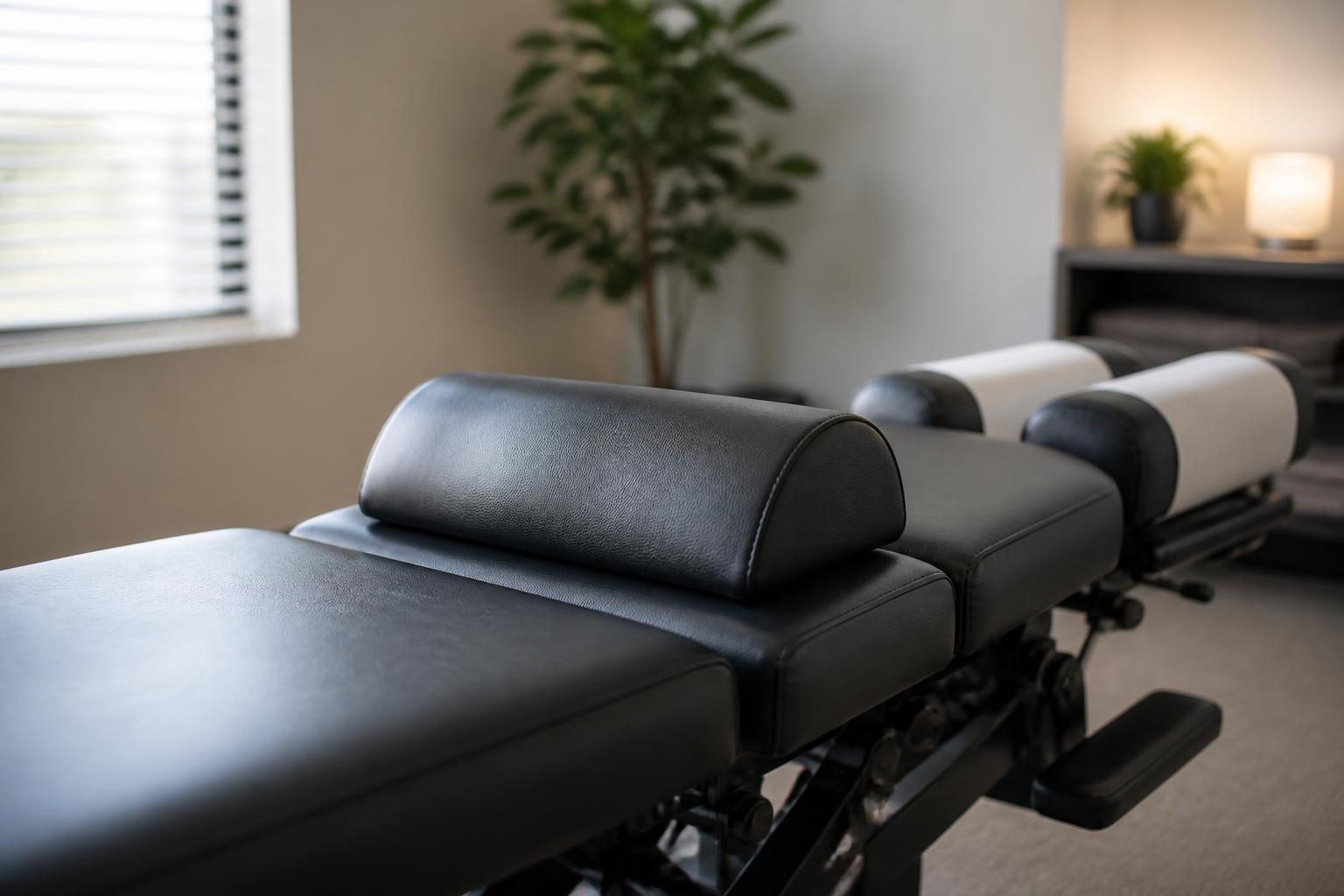
Back pain can make simple things feel hard, from getting out of bed to sitting through a workday or picking up groceries. When the ache keeps returning, tightens after long periods of sitting, or turns into sharp pain with movement, it is time to get it looked at.
At Summit Spine & Wellness, we help people with practical back pain treatment for everyday life, whether the discomfort started after lifting, building up from posture strain, or just seemed to appear and never fully leave. If you are dealing with pain, stiffness, or pressure that keeps interrupting your routine, we can help you find a better next step.
Back pain does not always feel the same from one person to the next. Some people notice a dull ache across the lower back after standing too long. Others feel tightness between the shoulders, soreness after a workout, or pain that flares when bending, twisting, or getting out of a chair.
We start by listening to how the pain behaves, when it shows up, and what makes it better or worse. That gives us a clearer picture of whether the issue seems tied to posture, movement habits, strain, or irritation from a recent injury.
Back pain treatment should begin with a clear understanding of what is driving the problem. At Summit Spine & Wellness, we look at how your spine moves, how your body is holding tension, and what everyday positions may be adding strain. The goal is to connect your symptoms to real-life movement, not just the pain itself.
We also consider whether your back pain is part of a larger pattern, such as neck tension, poor posture, or recovery after a sports or auto injury. When those pieces are connected, the plan should reflect that.
Back pain treatment can include several types of chiropractic care depending on what your body needs. Some people need help calming irritation and easing tightness. Others need support with posture, movement, and exercise so the same strain does not keep returning.
We may focus on one or more of the following, based on your exam and symptoms:
These visits are practical and focused. We want your care to fit into your routine and support the things you need to do each day.
Many people want to know what their first visit will actually feel like. We keep the process straightforward. You will talk through your symptoms, review how your back pain affects your daily life, and go over the movements that seem to trigger it. From there, we explain what we find and how we would approach care.
At Summit Spine & Wellness, the focus stays on helping you move with less resistance and more confidence. If your back pain has been limiting work, exercise, or normal chores, we aim to make the next step clear and manageable.
You may be asked about your sleep positions, activity level, work setup, past injuries, and where you notice tightness or discomfort. That context matters because back pain often builds from more than one cause.
You may leave with advice on movement, posture, or exercises that support the work done during the visit. The goal is not just temporary relief, but a better plan for how your back handles the week ahead.
Back pain often starts with habits that seem minor at first. Long hours at a desk, repeated lifting, poor lifting form, training overload, or carrying tension after an injury can all contribute. Over time, your body may begin to protect the area by tightening around it, which can make the pain feel more stubborn.
Knowing the cause matters because back pain treatment should match the source. If posture is part of the issue, the plan should address posture. If movement is the problem, the plan should help you move differently. If the pain is related to an old strain, the approach should respect that history.
Back pain recovery is often stronger when treatment and daily habits work together. Chiropractic care can be a useful part of that process, but what you do between visits matters too. Small changes in movement and awareness can reduce repeated stress on the same area.
We often talk through simple strategies such as changing positions more often, paying attention to how you lift, and using corrective exercises that support better control. Those details can make a real difference when your back has been sensitive for a while.
Posture and back pain often feed into each other. When your body spends too much time in one position, the back may compensate by tightening or working harder than it should. That can show up as soreness, fatigue, or a feeling that your back never fully relaxes.
We look at posture as part of the whole picture, not as a separate issue. If your shoulders round forward, your pelvis tilts, or you tend to lean one way, those patterns can affect how the back feels during the day. Addressing them can help your care last longer and feel more useful.
If you are looking for back pain treatment in San Diego, CA, you do not need a complicated plan. You need care that listens carefully, explains the problem clearly, and focuses on what helps you function better day to day. Summit Spine & Wellness serves people from San Diego, CA, as well as La Jolla, CA, Mission Valley, CA, and Kearny Mesa, CA.
Whether your pain is new or has been hanging around for months, we can help you take a practical next step. If you have been putting it off, now is a good time to get a clearer answer about what is going on and what may help.
We help with back pain tied to stiffness, posture strain, movement issues, muscle tension, and discomfort after certain injuries or daily activities.
Yes. If the pain keeps coming back, we look for patterns that may be contributing to it and build care around those patterns.
No. Back pain can show up in the lower, mid, or upper back, and we evaluate the area that is causing symptoms.
Depending on your needs, we may recommend corrective exercises that support posture, movement, and recovery between visits.
Back pain after a sports injury, strain, or auto accident can often benefit from an evaluation that matches the symptoms and history.
Contact Summit Spine & Wellness by phone at +16195550188 or email hello@summitspinewellness.example to ask about back pain treatment and schedule a visit at our San Diego, CA office.